“Behold. The festering carcass of American rot shoved into an ill-fitting suit: the sleaze of a conman, the cowardice of a draft dodger, the gluttony of a parasite, the racism of a Klansman, the sexism of a back-alley creep, the ignorance of a bar-stool drunk, and the greed of a hedge-fund ghoul- all spray-painted orange and paraded like a prize hog at a county fair. Not a president. Not even a man. Just the diseased distillation of everything this country swears it isn’t but has always been- arrogance dressed up as exceptionalism, stupidity passed off as common sense, cruelty sold as toughness, greed exalted as ambition, and corruption worshiped like gospel. It is America’s shadow made flesh, a rotting pumpkin idol proving that when a nation kneels before money, power, and spite, it doesn’t just lose its soul- it shits out this bloated obscenity and calls it a leader.” ~Oliver Kornetzke
Charlie Kirk Shot Today
“When you allow gun ownership you’re going to have gun deaths… but the positives far outweigh the negatives”. ~Charlie Kirk
Whatever you say, Charlie.
Time for a revolution?
It’s closer than you think.
To you fascists out there – fascism doesn’t usually end well for the perpetrators.
Mind yourselves.
I don’t know
“I do solemnly swear (or affirm) that I will faithfully execute the Office of President of the United States, and will to the best of my ability, preserve, protect and defend the Constitution of the United States.”
When Trump was asked if it’s his duty as president to uphold the Constitution, he said: “I don’t know.”
There is no ambiguity here. Impeachment should be the next course of action. Of course, feckless Republicans will never do this. They are snowflakes owned by Trump.
Fuq them to hell.
What time is it?
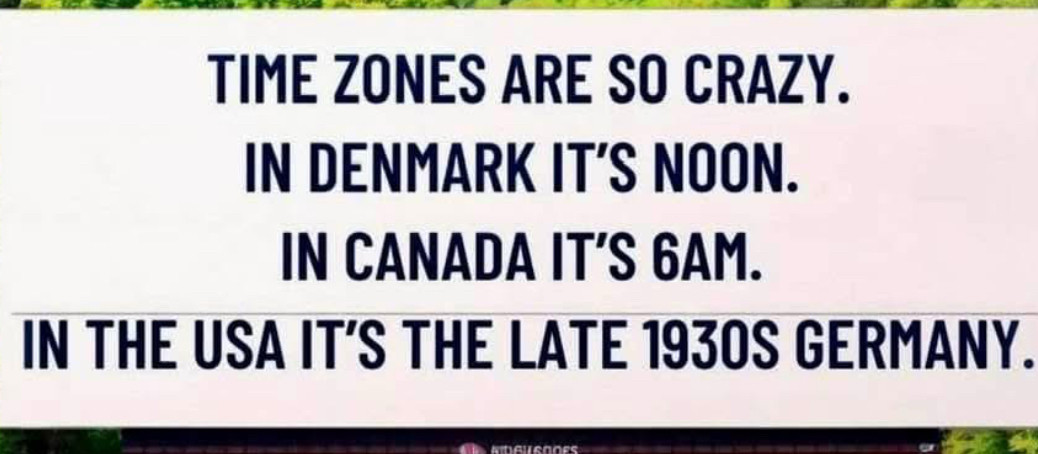
Thanks, MAGAts.

The Inner Soul of the American People
As democracy is perfected, the office of the president represents, more and more closely, the inner soul of the people. We move toward a lofty ideal. On some great and glorious day, the plain folks of the land will reach their heart’s desire at last, and the White House will be adorned by a downright moron.” — H.L. Mencken.
Argument: Organized Religion should be abolished
Organized religion has historically and contemporarily posed dangers to marginalized people through mechanisms of exclusion, control, and oppression. While religion can provide community and moral guidance, its institutionalization has often entrenched hierarchies and justified systemic injustices. Below are key points to support this argument:
1. Perpetuation of Social Hierarchies
Organized religions have frequently aligned with existing power structures, reinforcing systems of oppression. For instance:
• Caste Systems: In South Asia, religious doctrines have been used to justify caste-based discrimination, particularly oppressing Dalits and other marginalized groups.
• Slavery and Colonialism: European colonial powers often invoked Christianity to justify the enslavement and subjugation of Indigenous peoples and Africans, framing it as a “civilizing mission.”
2. Oppression of Women and LGBTQ+ People
Organized religions have institutionalized patriarchal and heteronormative norms that harm marginalized genders and sexual orientations:
• Women: Religious laws have often restricted women’s rights, from denying leadership roles in clergy to controlling their reproductive choices.
• LGBTQ+ Communities: Many religions have historically condemned homosexuality and transgender identities, fostering discrimination, violence, and mental health crises among LGBTQ+ individuals.
3. Cultural Erasure
Organized religions have been tools of cultural imperialism, erasing Indigenous practices and identities:
• Forced Conversion: In the Americas and Australia, Indigenous peoples were forced to abandon their languages, spiritual practices, and traditions under the guise of religious assimilation.
• Suppression of Local Beliefs: Missionary activities often criminalized traditional spiritual systems, labeling them as “pagan” or “satanic.”
4. Justification of Violence
Religious institutions have historically justified violence against marginalized groups:
• Crusades and Inquisitions: These events targeted non-Christians, “heretics,” and others who deviated from orthodoxy.
• Modern Extremism: Religious justifications have been invoked for genocides, terrorism, and hate crimes, often targeting minorities.
5. Resistance to Social Progress
Organized religions have often resisted movements aimed at achieving equality and justice:
• Civil Rights Movements: Religious institutions have frequently opposed racial integration and equality, citing theological grounds.
• Feminist and LGBTQ+ Movements: Many religious organizations continue to oppose gender equality and the recognition of same-sex marriage, slowing societal progress.
Conclusion
While religion itself is not inherently dangerous, its organized forms often prioritize institutional power over individual well-being. This structure has historically marginalized vulnerable populations and continues to do so by upholding exclusionary doctrines, enabling systemic violence, and resisting transformative social change. Recognizing these dangers is essential for fostering more inclusive and equitable societies.
Jimmy Carter RIP
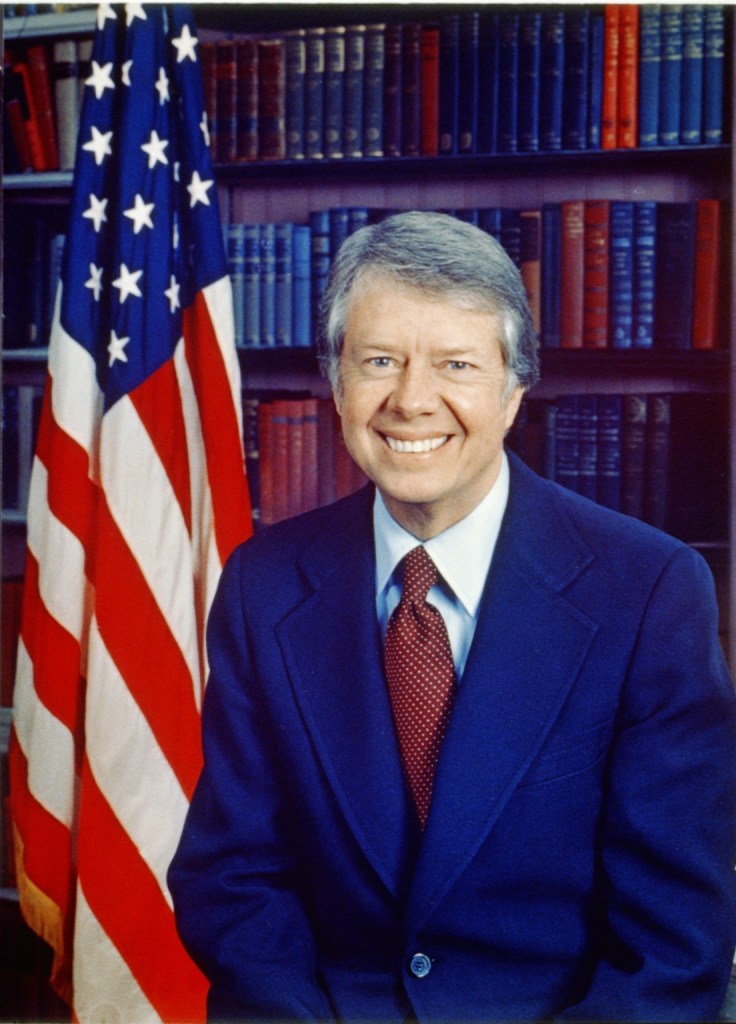
Jimmy Carter practiced an unwavering commitment to peace, human rights, and service to others.
As the 39th President of the United States, he prioritized diplomacy, including brokering the Camp David Accords, a historic peace agreement between Egypt and Israel.
Solar panels were first installed on the White House during Jimmy Carter’s presidency in 1979 as a symbol of his commitment to renewable energy and environmental sustainability. These panels were used to heat water in the White House. However, they were removed during the Reagan administration in 1986. Decades later, in 2014, President Barack Obama reinstalled solar panels on the White House to generate electricity and showcase a renewed focus on clean energy. This move highlighted the importance of solar power as part of a broader strategy to combat climate change and promote sustainable practices.
After leaving office, Carter continued his dedication to humanitarian causes, founding the Carter Center to promote global health, democracy, and conflict resolution. His humility, tireless work with Habitat for Humanity, and lifelong advocacy for the underserved have made him a symbol of integrity and compassion in public service.
Our country has lost a true American.
Rest in peace.
This
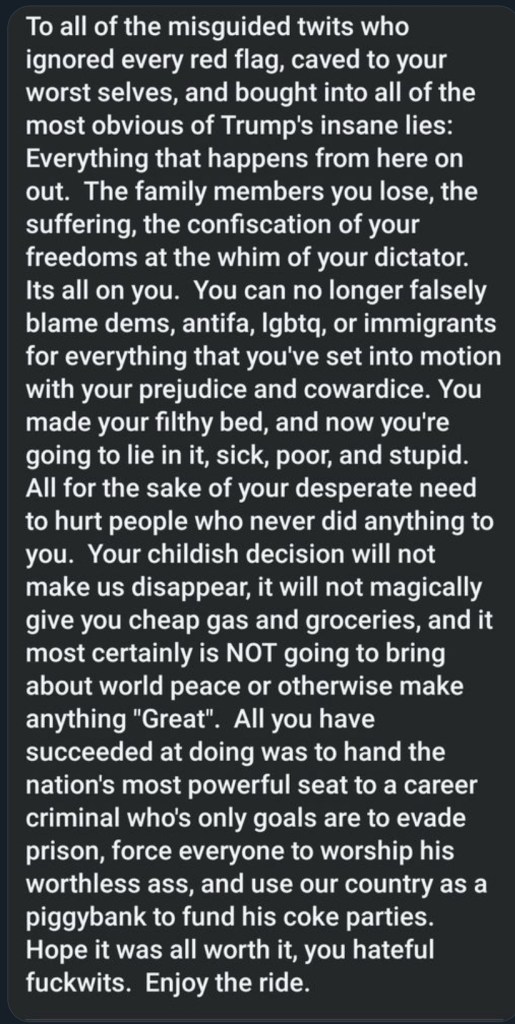
 Mirlisa's Bits and Pieces