The following video does an excellent job in succinctly explaining why our United States is currently where it is.
Month: July 2024
When he tells you who he is…believe him
I listened to a Trump speech this morning. And I QUOTE:
“Christians, get out and vote! Just this time. You won’t have to do it anymore. Four more years. You know what? It’ll be fixed! It’ll be fine! You won’t have to vote anymore, my beautiful Christians. I love you, Christians! You gotta get out and vote. In four years, you don’t have to vote again. We’ll have it fixed so good, you’re not gonna have to vote.”
They’re saying the quiet parts out loud. Believe them.
VOTE for Kamala so you can vote again in four years.
Freedom!
Project 2025 – Social Security
We’re hearing candidates talk a lot about Project 2025. So, what is it?
Project 2025 is an initiative by conservative groups in the United States aimed at preparing policies and personnel for a potential future Republican administration. It does seem to assume that the convicted felon Donald Trump will be the next President. It seeks to outline a comprehensive policy agenda and identify individuals to fill key government positions, ensuring a ready-to-implement plan to advance conservative priorities and governance strategies.
What about Social Security? Well, Project 2025 wants to privatize Social Security. The following illustrates some of the arguments for and against.
Arguments for: [My comments are in brackets]
The main arguments for this move are:
- Higher Returns on Investment: Proponents argue that private accounts could potentially yield higher returns than the current Social Security system. By investing in the stock market and other private assets, individuals could accumulate more wealth over time compared to the fixed returns provided by Social Security. [Potentially lower returns, as well]
- Increased Personal Control: Privatization would give individuals more control over their retirement savings, allowing them to manage their own investment strategies and tailor their portfolios to their personal risk tolerance and financial goals. [Investment strategies for people with no expertise in this area – what could possibly go wrong?]
- Reduced Government Liability: By shifting the responsibility of retirement savings to individuals, the government could reduce its long-term financial obligations. This is seen as a way to address the projected shortfalls in the Social Security trust fund without increasing taxes or cutting benefits directly. [The maximum taxable earnings are way lower than they should be. Raising these will go a long way to shoring up SS.]
- Encouraging Longer Workforce Participation: Raising the retirement age and encouraging private retirement savings is believed to keep older workers in the workforce longer, which could contribute to economic productivity and reduce the strain on Social Security funds. [Pardon me, but I don’t want to FUCKING REMAIN IN THE WORK FORCE during my golden years!]
Arguments against:
Privatizing Social Security is considered perilous for several reasons:
- Market Risk: Privatization typically involves investing Social Security funds in the stock market. While the market can offer higher returns, it also comes with significant risk. Market downturns or crashes could drastically reduce the value of retirement savings, leaving retirees without sufficient funds.
- Inequity: The stock market favors those with more knowledge and resources. Privatization could exacerbate inequality, as wealthier and more financially literate individuals are better positioned to take advantage of investment opportunities. This would widen the gap between the rich and the poor.
- Management Fees: Private investment accounts often come with management fees, which can erode returns over time. These fees could significantly reduce the amount of money available for retirees compared to the more modest administrative costs associated with the current Social Security system.
- Transition Costs: Moving from a public to a private system would incur significant transition costs. Current contributions are used to pay current retirees, so diverting these funds to private accounts would require finding alternative funding sources to cover existing obligations, potentially increasing national debt.
- Volatility and Uncertainty: Unlike the guaranteed benefits provided by the current Social Security system, private accounts are subject to market fluctuations. This uncertainty can make financial planning more challenging for individuals who rely on a predictable income in retirement.
- Reduced Benefits for Low-Income Workers: Social Security is designed to provide a safety net, particularly for low-income workers. Privatization could undermine this aspect, as low-wage earners might not be able to save enough to secure a decent retirement income, exacerbating poverty among the elderly.
- Administrative Complexity: Managing millions of individual investment accounts is far more complex and costly than managing a single, centralized system. This complexity could lead to inefficiencies and increased administrative costs.
- Potential for Fraud and Mismanagement: Privatized systems could be more vulnerable to fraud and mismanagement. Ensuring the integrity of the system would require robust regulatory oversight, which could be difficult to implement and enforce effectively.
Overall, the risks associated with privatizing Social Security stem from the inherent uncertainties of the financial markets, the potential for increased inequality, and the administrative and transition challenges involved.
Think about it – your retirement income based on the whims of the stock market. No thank you.
In my view, Social Security is incredibly important in its present form. In order to shore it up I propose increasing the maximum taxable earnings. In my view, they should be at least THRICE what they are.
DEI Candidate?
Why yes! Kamala Harris is a DEI candidate. She’s Diverse, Educated and Intelligent.
Thank you for asking!
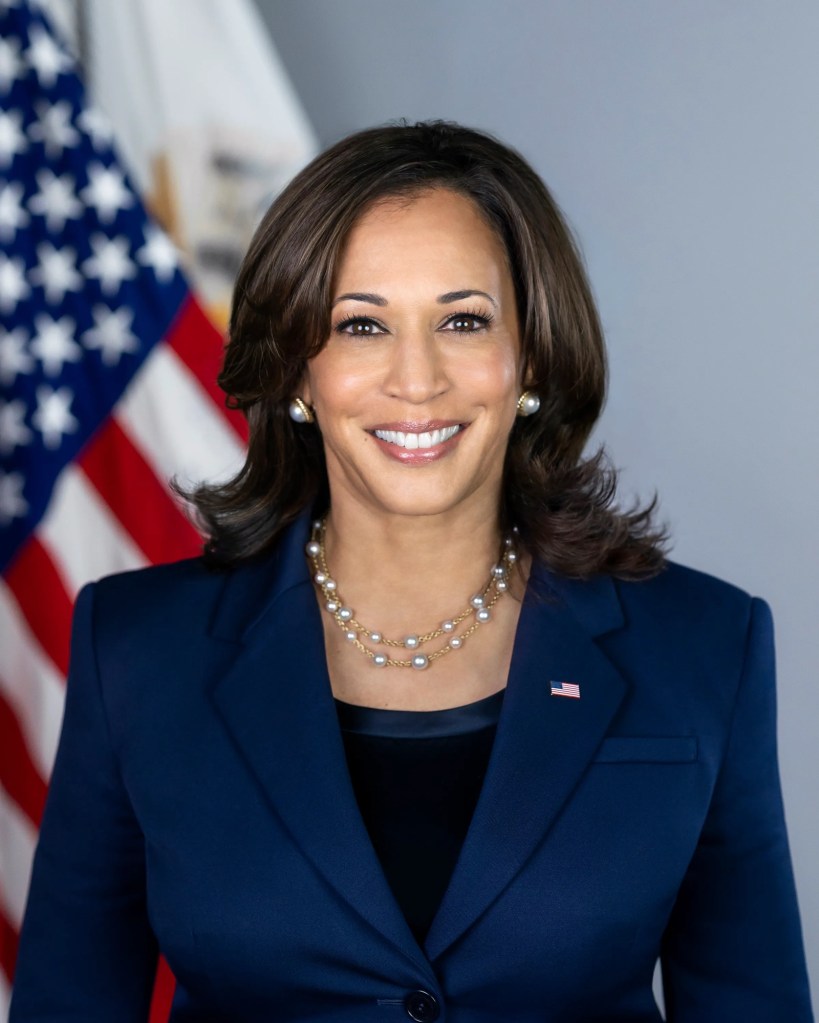
Kamala Harris…for the People
Kamala Harris should be the next President of the United States because she brings a unique combination of experience, leadership, and vision that aligns with the needs of a diverse and evolving nation. Her career demonstrates a commitment to justice, equality, and effective governance, which are crucial qualities for leading the country.
First, Harris has a strong record of public service at multiple levels of government. As a former Attorney General of California, she implemented significant reforms in criminal justice, including initiatives to reduce recidivism and address systemic inequalities. Her experience as a U.S. Senator further showcases her ability to navigate complex legislative environments, advocate for progressive policies, and build bipartisan coalitions.
Second, Harris’s background and personal story resonate with many Americans. As the daughter of immigrants, she embodies the American dream and understands the challenges faced by diverse communities. Her historic role as the first female, first Black, and first South Asian Vice President has already broken significant barriers, inspiring millions and proving her capability to handle the highest levels of leadership.
Moreover, Harris has shown a deep commitment to addressing key issues such as healthcare, climate change, and economic inequality. Her advocacy for affordable healthcare aims to ensure that all Americans have access to necessary medical services. Her stance on climate change emphasizes the urgent need for sustainable policies and investments in green technology, which are essential for the future of the planet. Additionally, her focus on economic justice seeks to create a fairer economy that works for everyone, not just the wealthy.
In international relations, Harris has demonstrated a nuanced understanding of global affairs, promoting diplomacy and cooperation while standing firm on human rights and democratic values. Her ability to represent the U.S. on the world stage is critical in maintaining and strengthening alliances, addressing global challenges, and ensuring national security.
Lastly, Kamala Harris embodies the spirit of resilience and determination. Her ability to overcome obstacles and her unwavering dedication to public service make her a compelling candidate for the presidency. She has proven that she can lead with empathy, intelligence, and strength—qualities essential for guiding the nation through its current challenges and toward a brighter future.
 Mirlisa's Bits and Pieces